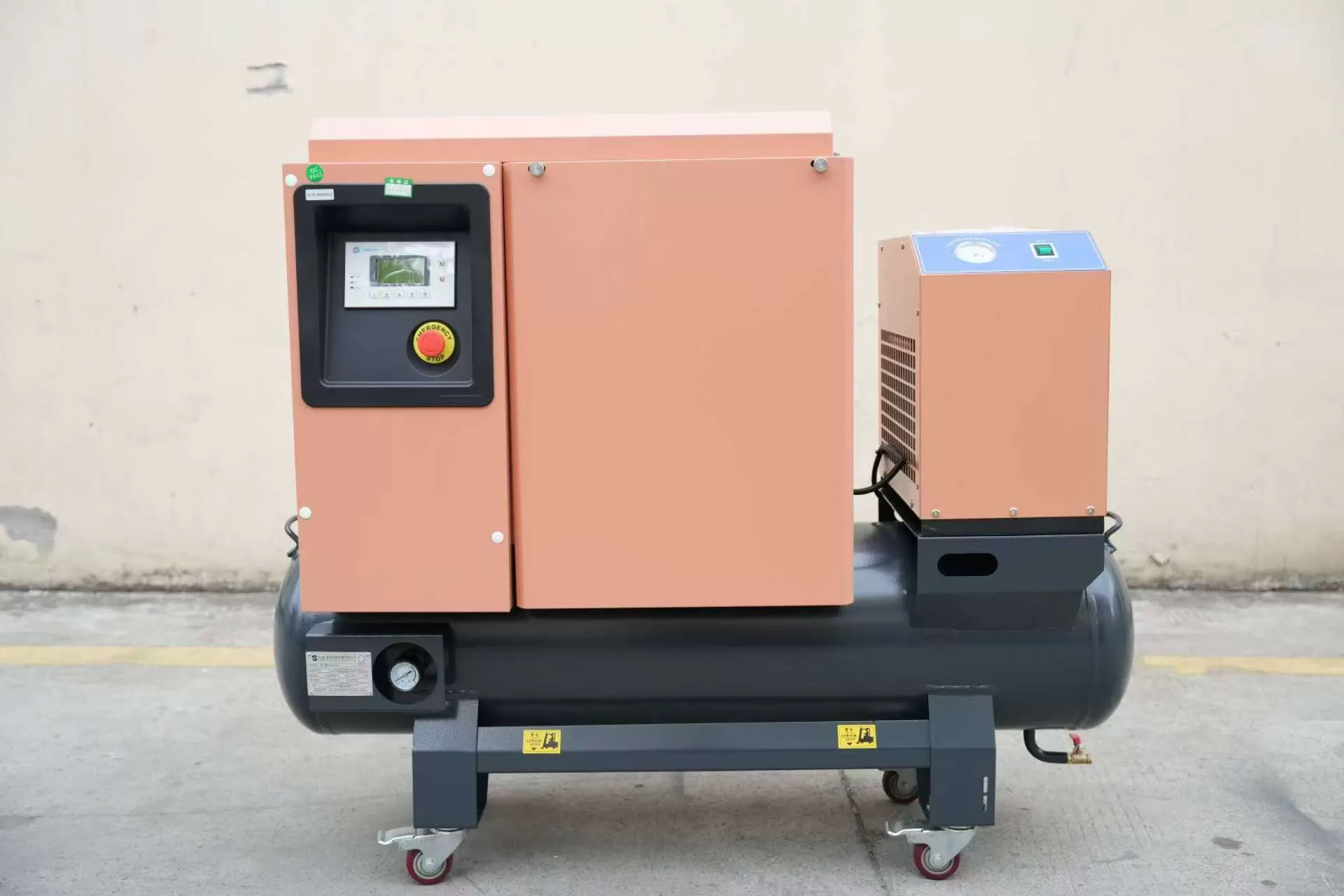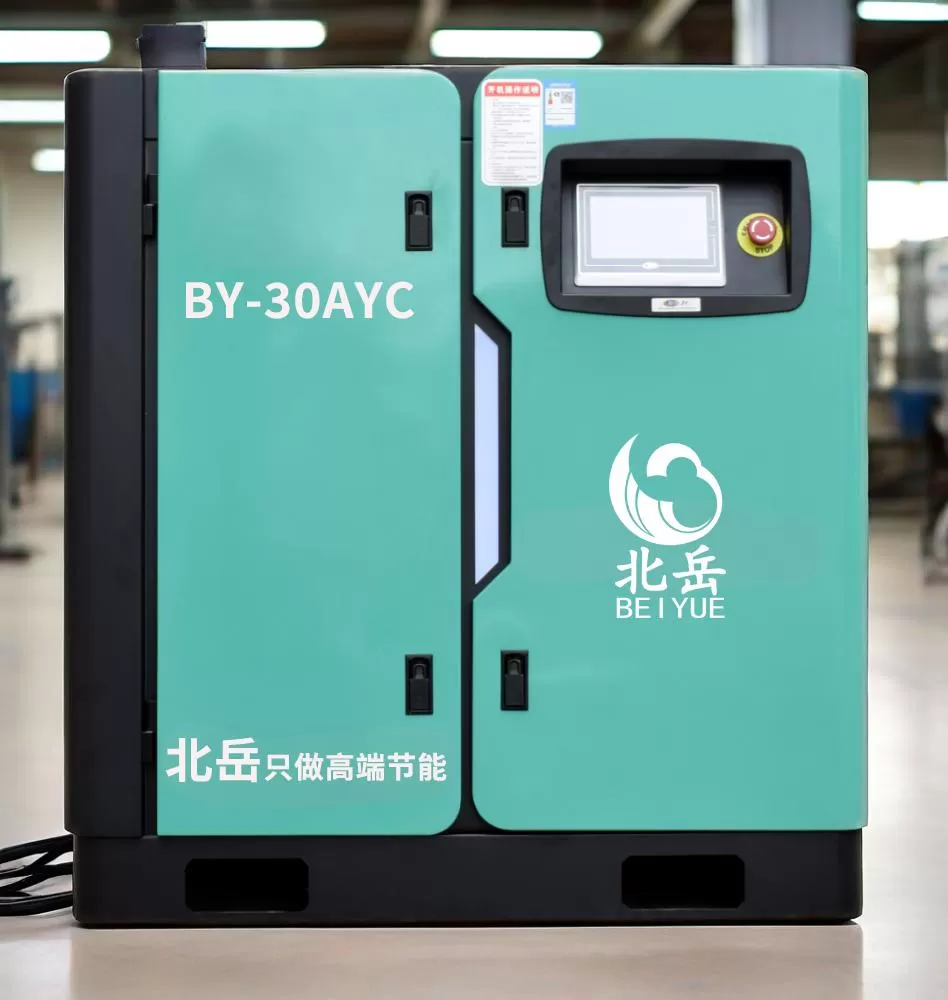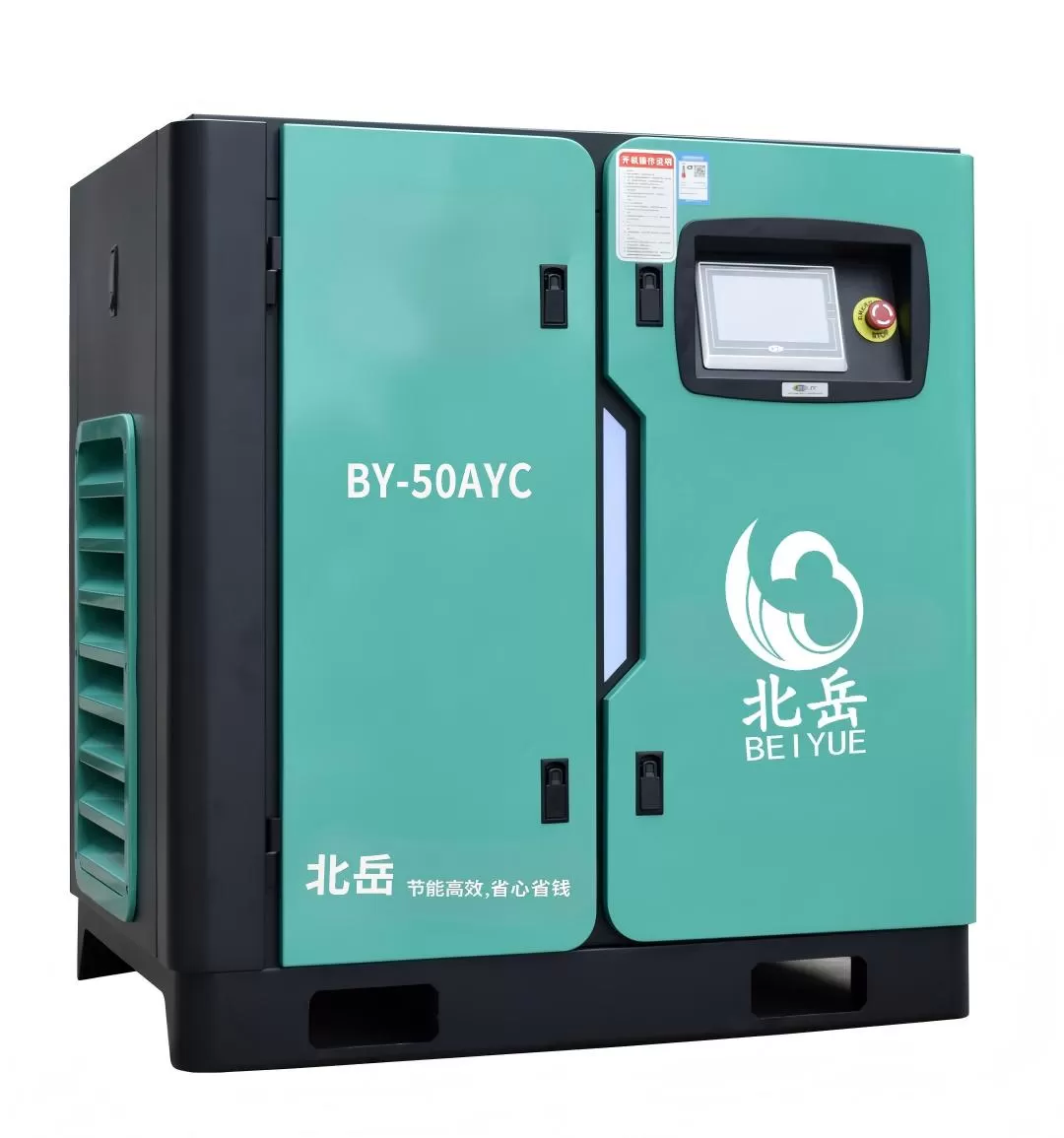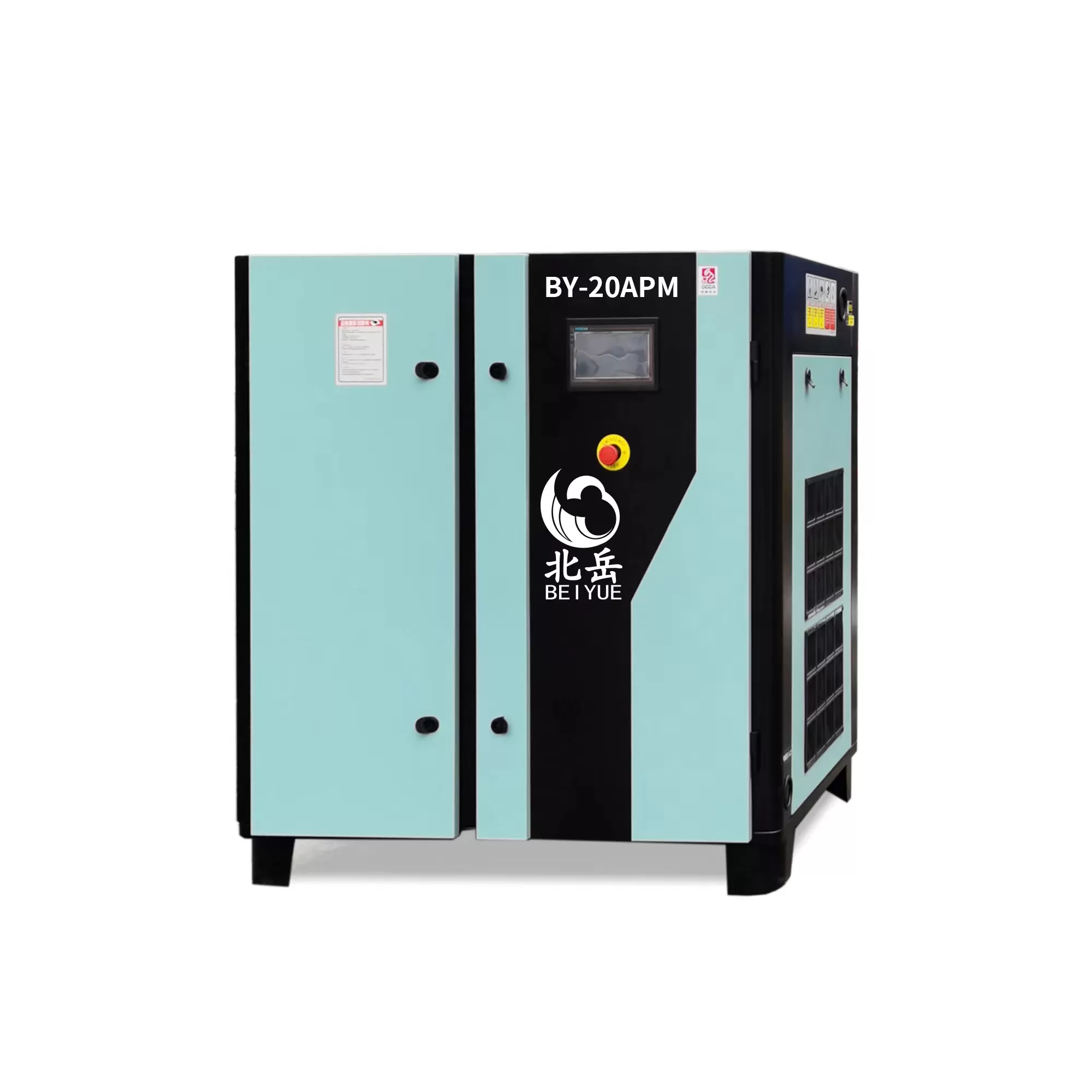
Key Considerations for Air Compressors in Printing Workshops
1. Air Quality: The Top Priority for Printing
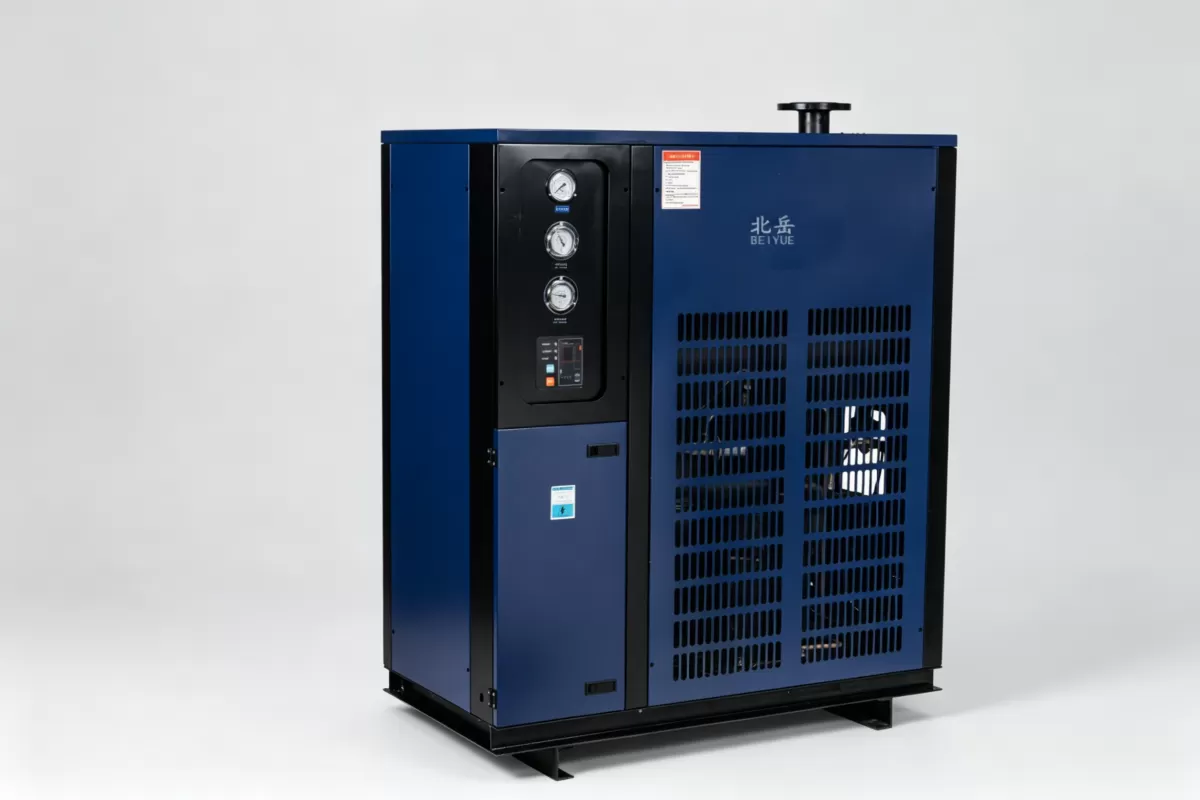
Adhere to air quality standards: Control oil content and dew point strictly. Use high-grade filters, dryers to remove moisture and impurities.
Daily drainage: Condensed water accumulates inside air tanks and pipelines. Perform drainage every shift to avoid water mixing into air pipelines.
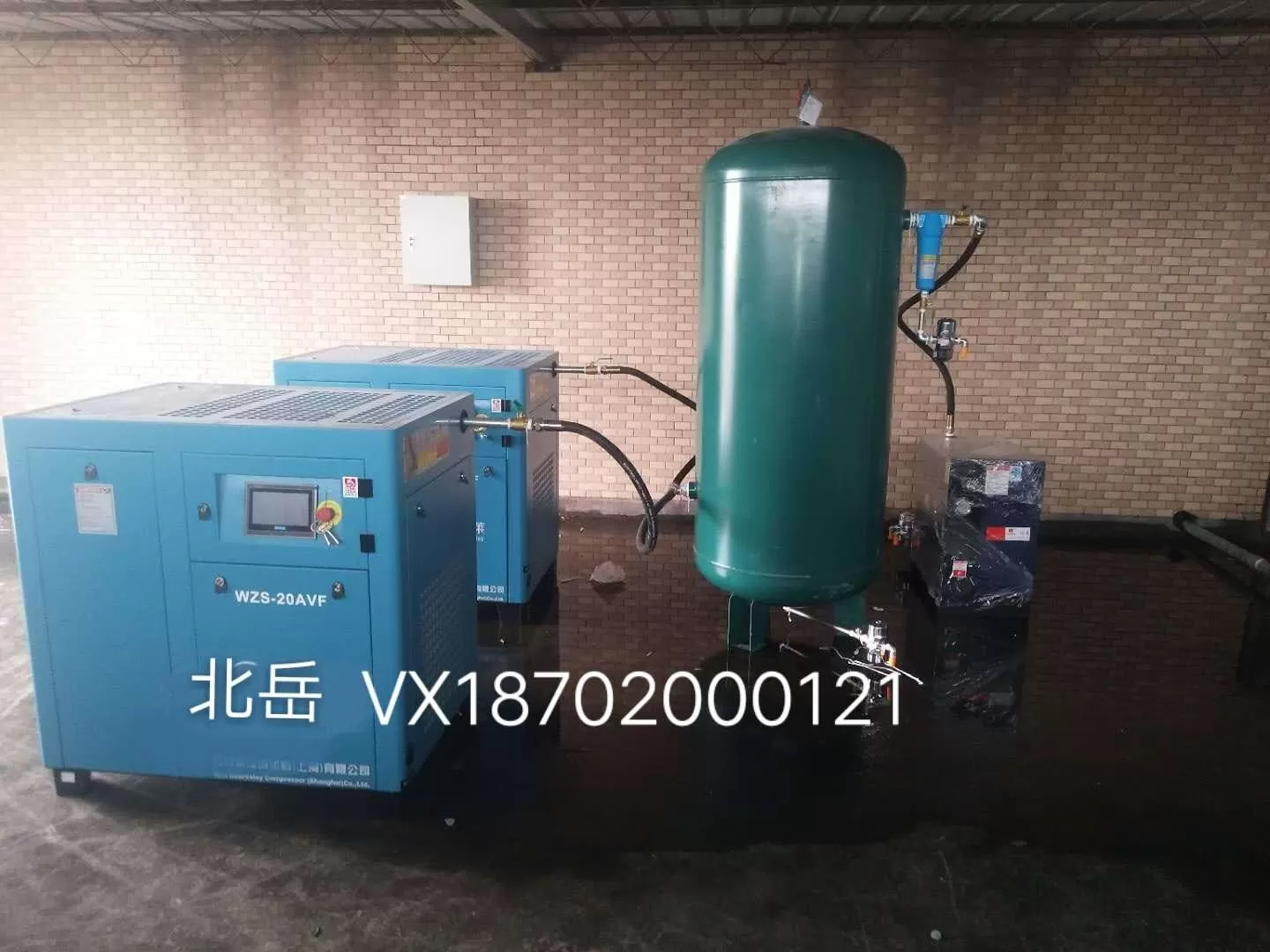
2. Scientific Installation & Working Environment
Keep away from flammables: Place compressors far from ink storage, chemical solvents and heat sources to eliminate fire risks.
Excellent ventilation & heat dissipation: Ensure smooth air circulation. Clean dust on heat sinks and fans regularly to prevent overheating.
Noise reduction: Equip silencers or sound insulation covers. Long-term loud noise harms employees’ health.
3. Pressure Management & Pipeline Inspection
Never change the factory preset pressure randomly. Fluctuating pressure will affect paper alignment and ink output.
Inspect air hoses, connectors and valves every day. Any air leakage will increase power consumption and cause pressure instability. Replace cracked or aging hoses at once.
4. Periodic Maintenance & Parts Replacement
Check oil level and oil quality regularly. Use dedicated lubricant and replace oil as required. Do not mix different types of oil.
Clean or replace air intake filters frequently to prevent paper dust from entering the machine and causing internal wear.
Schedule comprehensive inspection monthly for motors, safety valves and pressure gauges.
5. Standard Operation & Personal Safety
All operators must receive professional training and be familiar with operation specifications and emergency handling.
Wear personal protective equipment (PPE): hearing protectors, safety goggles and anti-oil gloves.
Emergency rules: Shut down the machine immediately if there is abnormal vibration, overheating, oil leakage or smoke. Troubleshoot completely before restarting.
Forbid using compressed air to blow dust on human bodies or clothes, which may lead to severe injury.
Final Remarks
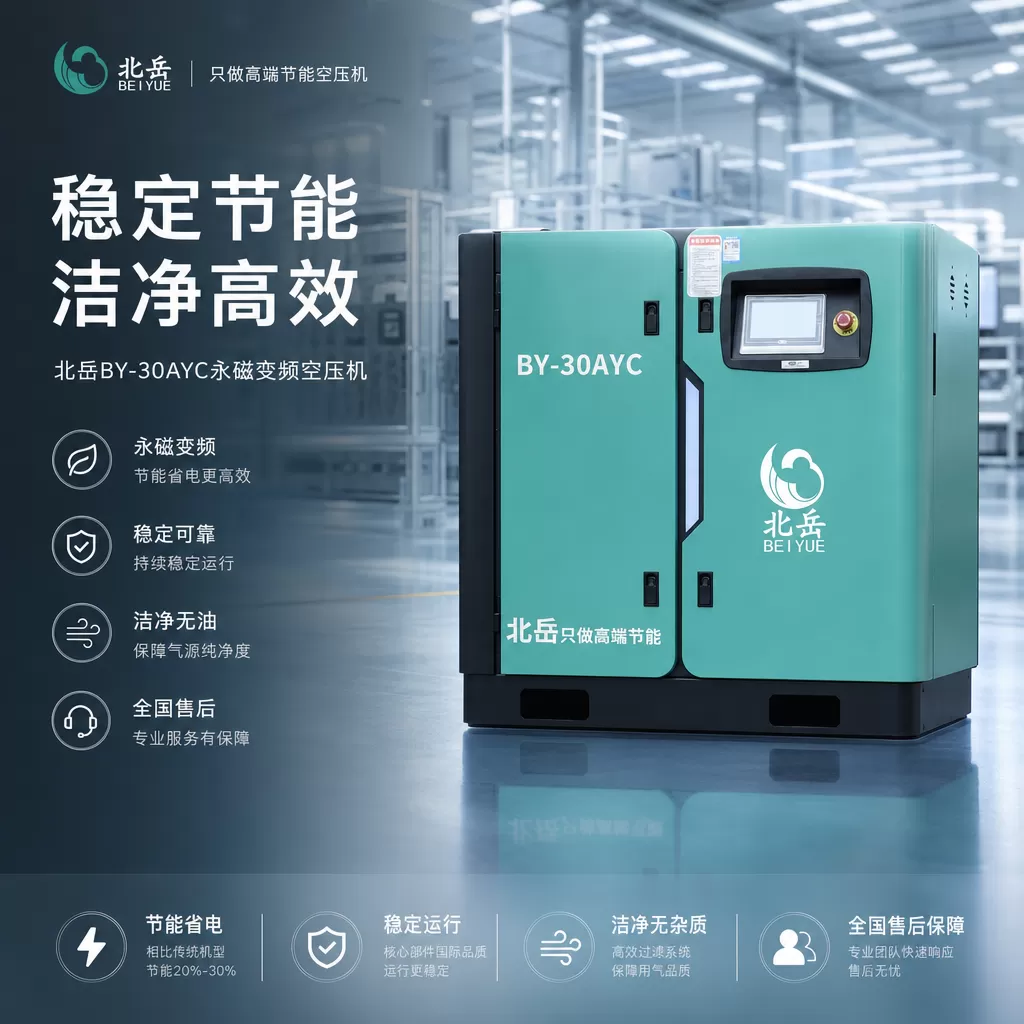
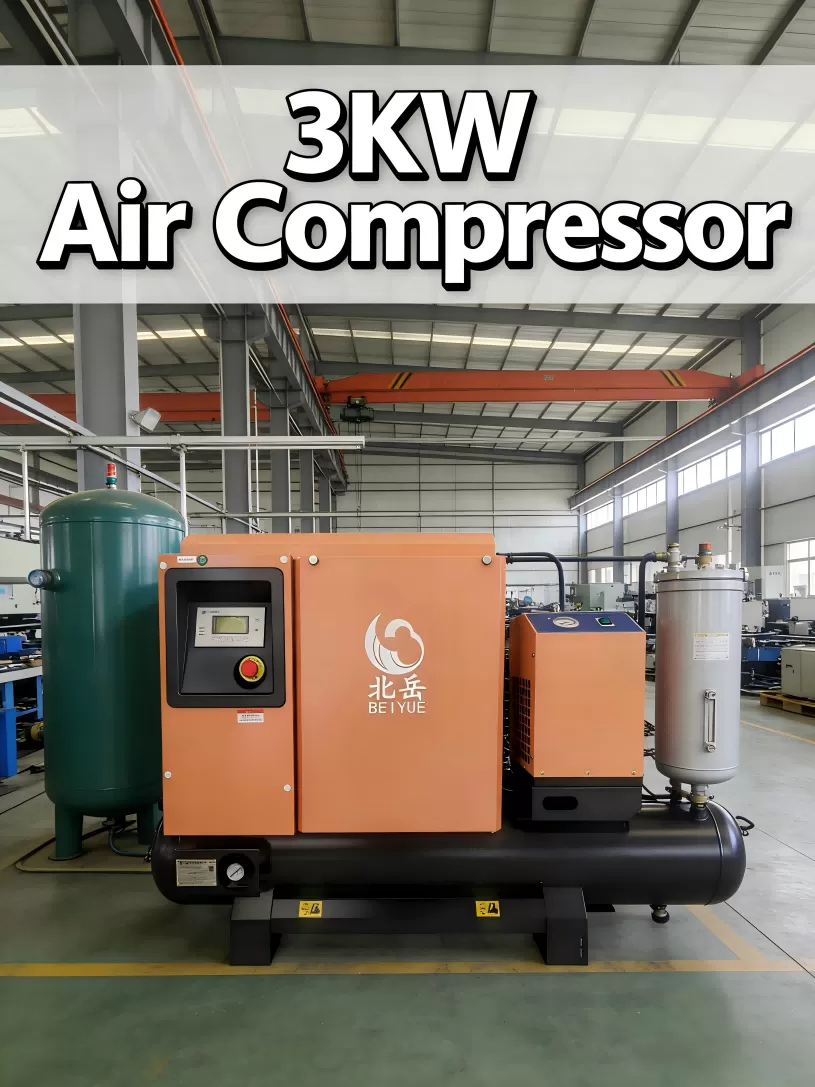
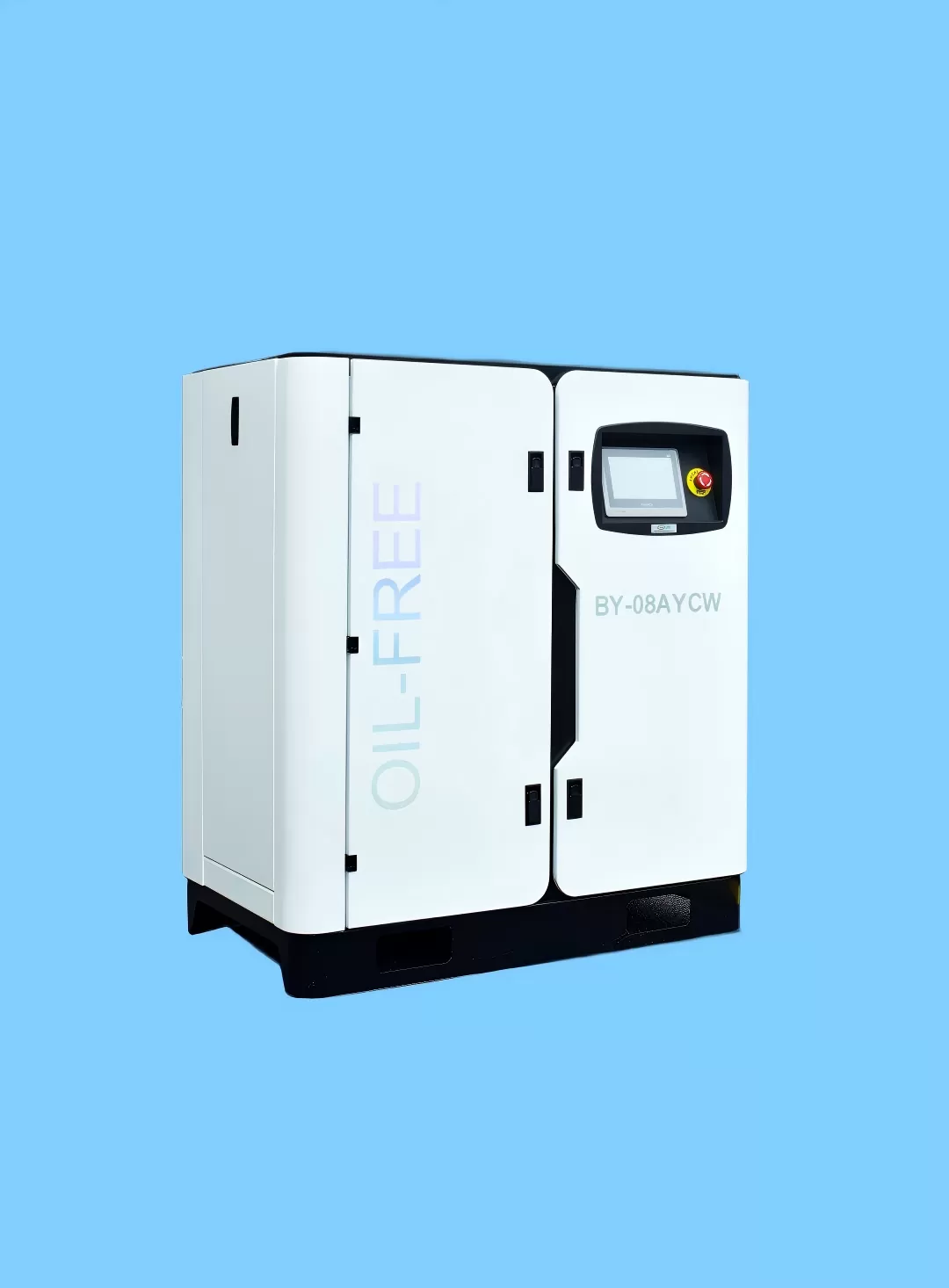
Choose BEIYUE high-quality air compressors and stick to scientific usage rules to empower your printing business!